25 Jun 2026
BGC Issues Open Letter Urging Tech Giants to Curb Illegal Gambling Advertising in June 2026
 The Betting and Gaming Council released an open letter on 17 June 2026 that directly addresses major technology platforms about illegal gambling operators who continue to advertise across social media, search engines, and other digital channels. CEO Grainne Hurst signed the letter on behalf of the UK's leading gambling industry trade body, and it emphasizes the need for stronger detection methods along with greater collaboration between the industry and tech companies.
Details of the BGC Letter and Its Core Requests
The document highlights how black market operators have expanded their reach online, and it points to estimates showing that illegal stakes could reach £33 billion within five years if current trends continue. Hurst's letter calls for improved use of artificial intelligence in spotting prohibited ads, better data sharing between platforms and regulators, and more proactive removal of content that promotes unlicensed betting services. Those who have reviewed the letter note that it avoids vague appeals and instead lists specific actions tech firms could take immediately.
Observers familiar with the sector point out that the timing aligns with growing regulatory scrutiny ahead of major sporting events such as the World Cup, when illegal advertising often spikes. The letter connects these concerns to the Department for Culture, Media and Sport Illegal Gambling Taskforce, noting that visible progress from the group has remained limited despite repeated warnings from both the industry and the Gambling Commission.
Context Around Rising Black Market Activity
Research indicates that illegal gambling operators have adapted quickly to digital environments, using sophisticated targeting and VPN tools to bypass restrictions. Analysis on tracking illegal gambling shows rising VPN usage has made enforcement more difficult for authorities, which in turn increases pressure on platforms to strengthen their own filters. The BGC letter references these challenges explicitly while urging companies like Meta, Google, and others to treat illegal gambling ads with the same urgency they apply to other prohibited content categories.
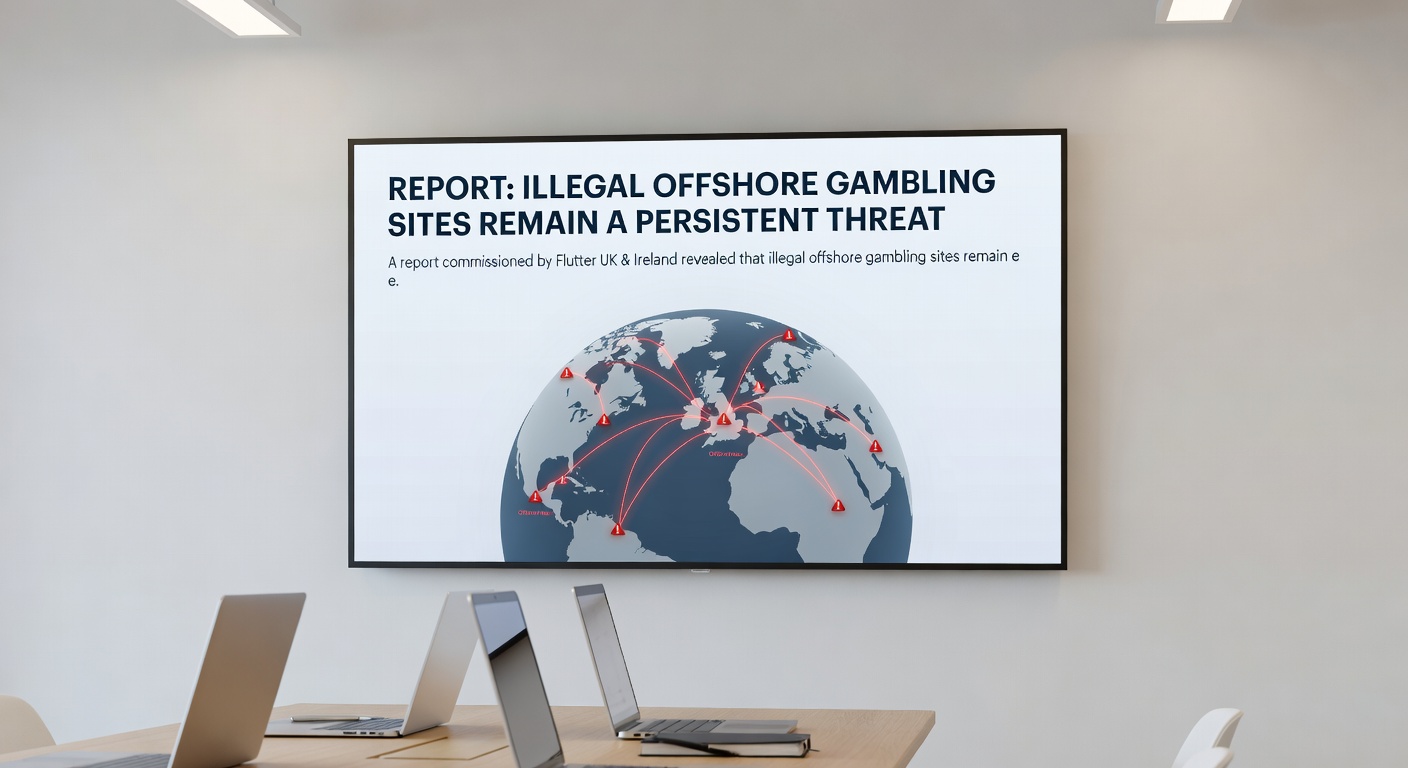
Figures reveal that black market activity already represents a significant portion of overall UK betting volume, and the council's estimates suggest this share could grow substantially without intervention. People who monitor advertising compliance have observed that many illegal operators shift domains and accounts rapidly, which makes consistent enforcement dependent on platform-level cooperation rather than individual reports alone.
Links to the DCMS Illegal Gambling Taskforce
The open letter ties its recommendations to ongoing work by the DCMS Illegal Gambling Taskforce, which was established to coordinate responses across government, regulators, and industry bodies. Although the taskforce has held meetings and gathered input, the BGC notes that concrete outcomes visible to operators and consumers have been slow to materialize. This observation comes at a moment when major events on the sporting calendar are expected to draw increased attention from unlicensed sites seeking to capture audience attention through targeted digital campaigns.
Data from regulatory sources shows that complaints about illegal ads have continued to rise, prompting trade bodies to seek direct engagement with technology companies. The letter proposes regular information exchanges and joint working groups as practical next steps, while also referencing existing tools that platforms already deploy for other forms of harmful content.
Potential Next Steps and Industry Implications
Stakeholders who have examined the letter describe it as a formal request for partnership rather than confrontation, yet it carries an implicit warning that continued inaction could lead to further regulatory or legislative pressure. Tech platforms have previously faced criticism for inconsistent enforcement of gambling advertising rules, and the BGC document provides a structured list of measures that could address those gaps. Experts who follow digital policy note that improved detection algorithms and shared datasets would allow faster identification of accounts linked to unlicensed operators.
Because the letter was made public, it also serves as a record of the industry's position ahead of any future policy discussions. Those involved in compliance work expect that similar calls will appear in submissions to government consultations over the coming months, especially as preparations for high-profile tournaments intensify.
Conclusion
The 17 June 2026 open letter from the Betting and Gaming Council marks a direct appeal to technology platforms for coordinated action against illegal gambling advertising. By referencing specific estimates, taskforce activity, and technical recommendations, the document outlines a clear set of expectations for better detection, data sharing, and collaboration. Observers will watch how platforms respond in the months ahead, particularly as major sporting events approach and the risks associated with black market growth remain in focus.