Black Market Betting Boom: Illegal Gambling Hits 10-12% of UK Activity at BGC's 2026 AGM
28 Mar 2026
Black Market Betting Boom: Illegal Gambling Hits 10-12% of UK Activity at BGC's 2026 AGM

At the Betting and Gaming Council's (BGC) Annual General Meeting held in March 2026, conversations quickly zeroed in on a troubling surge in illegal gambling across the UK, where data presented at the BGC AGM revealed it now captures 10% to 12% of all gambling activity— a dramatic jump from just 0.5% five years earlier— involving some 1.5 million users who wager around £10 billion each year.
The Scale of the Illegal Gambling Surge
Figures shared during the meeting painted a stark picture; illegal operators have ballooned into a major force, siphoning off massive sums that once flowed through regulated channels, while experts noted how this black market growth coincides with broader economic pressures and shifting consumer habits in the gambling landscape.
What's interesting is the sheer volume: 1.5 million punters engaging annually, that's a hefty chunk of the population turning to unregulated sites, apps, and even offshore platforms that dodge UK oversight, and the £10 billion wagered underscores why industry leaders sounded the alarm so urgently.
Five years back, illegal activity hovered at a negligible 0.5%, but now, with 10-12% of the market in play, observers point to a tipping point where the regulated sector loses ground fast; take one analyst who crunched the numbers and found regulated firms missing out on billions, a shift that's not just numbers on a page but real revenue vanishing into the shadows.
Tax Hikes and Regulatory Pressures Fuel the Shift
BGC CEO Grainne Hurst led the charge in highlighting root causes, warning that recent increases to the Remote Gaming Duty—along with looming Financial Risk Assessments—push consumers straight toward unregulated havens, potentially diverting another £500 million annually to the black market if trends hold.
And here's where it gets interesting: these tax adjustments, implemented to bolster public funds, inadvertently create incentives for punters to seek cheaper, riskier alternatives; Hurst emphasized how higher duties make licensed operators less competitive, so savvy users flock to sites offering better odds without the regulatory strings attached.
Industry voices echoed this during the AGM, with leaders arguing that while compliance costs soar for legal firms, illegal ones operate scot-free, undercutting prices and luring in 1.5 million users who might otherwise stick to safer bets; the reality is, this £500 million projection looms large, signaling even deeper erosion if policymakers don't recalibrate.
Delegates at the event swapped stories of punters who've migrated— one common tale involved football fans ditching trusted bookies for anonymous crypto platforms after noticing steeper margins post-tax hikes— and data backed it up, showing the illegal share climbing steadily since 2021.
Government and Regulator Step Up with Concrete Actions
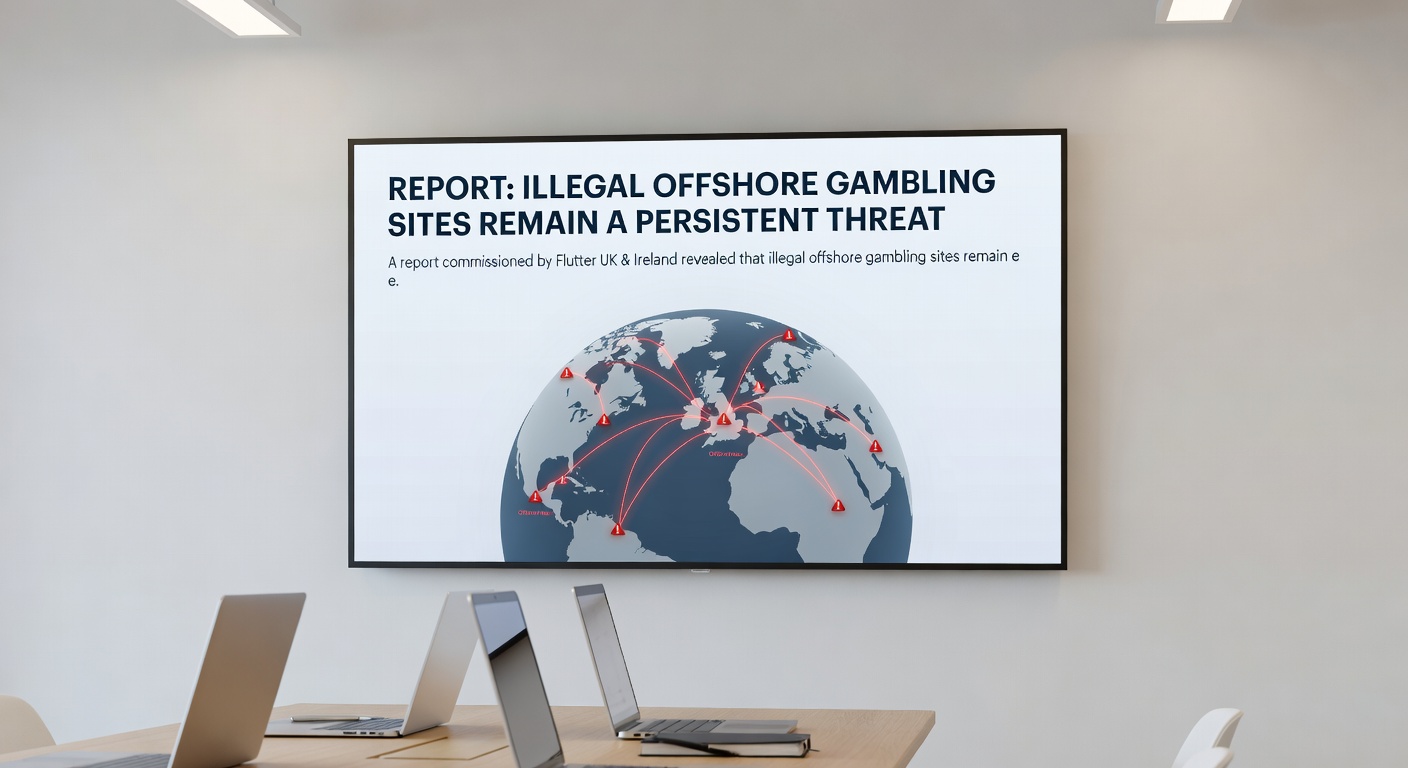
UK Gambling Commission official Ian Angus and Minister Baroness Fiona Twycross didn't shy away from the issue; they acknowledged the mounting threat head-on, announcing £26 million in fresh funding alongside the launch of an Illegal Gambling Taskforce that ropes in tech companies, law enforcement, and industry stakeholders to combat the rise.
This taskforce, unveiled right there at the AGM, aims to deploy advanced tools like AI monitoring and cross-border intel-sharing, because as Angus noted, illegal platforms often hide behind VPNs and fake domains, making old-school enforcement tricky; the £26 million injection targets enforcement tech, victim support, and operator education to stem the 10-12% bleed.
Twycross stressed collaboration as key, with the taskforce set to coordinate raids, domain blocks, and public awareness drives, while figures like the £10 billion wagered illegally highlight why such urgency grips the room; experts who've tracked similar surges elsewhere, say in parts of Europe, observe that swift multi-agency responses can reclaim up to 30% of lost market share within a year.
Broader Implications for the UK Gambling Landscape
But here's the thing: this surge doesn't just hit revenues; it exposes users to risks like unmatched bets, data theft, and addiction without safeguards, since unregulated sites skip age checks, responsible gambling tools, and fair play audits that define the licensed world.
Take the 1.5 million users involved— many are everyday punters chasing value amid tax-driven odds shifts— and without intervention, that number climbs, eroding trust in the whole ecosystem; BGC reps shared how legal operators invest heavily in compliance, yet lose out as black market sites promise no-frills wagering at lower effective costs.
Observers note parallels to past black market booms, like post-2014 point-of-consumption tax hikes that initially spiked offshore play before crackdowns curbed it; now, with Remote Gaming Duty rises echoing that era, the cycle repeats, but the taskforce offers a proactive twist, blending funding with tech to target the £500 million at risk.
During discussions, one panelist recounted a case where a major illegal operator got shuttered after taskforce-like intel, recovering £50 million in wagers for regulated redirection; such wins show promise, although scaling to £10 billion demands sustained effort across agencies.
Yet the AGM buzzed with cautious optimism too, as Angus outlined early taskforce wins like partnering with payment processors to flag suspicious flows, a move that already nipped some networks in the bud; Twycross added that funding will expand this, training enforcers on crypto trails and dark web ops that fuel 10-12% of activity.
Stakeholder Reactions and Path Forward
Industry leaders left the meeting aligned on advocacy, urging tweaks to duties and assessments to keep punters onshore, while praising the government's £26 million commitment as a solid start; Hurst wrapped sessions by calling for data-sharing mandates, so legal firms can tip off regulators on illegal rivals more effectively.
People who've studied gambling policy shifts often discover that balanced regulation—taxes high enough for revenue but low enough to compete—holds the line against black markets; here, with illegal play at 10-12%, the ball's in policymakers' court to fine-tune before £500 million more slips away.
Tech firms joining the taskforce bring muscle too, deploying machine learning to scan for rogue ads on social media, where many of those 1.5 million users first encounter shady offers; it's noteworthy how this multi-pronged approach mirrors successful US models, reclaiming markets post-PASPA repeal.
Conclusion
The BGC's March 2026 AGM crystallized a pivotal moment for UK gambling, where illegal activity's climb to 10-12%—from 0.5% in five years, with £10 billion and 1.5 million users in tow—collides with tax pressures diverting £500 million more; yet responses like the £26 million funding and Illegal Gambling Taskforce signal resolve, uniting regulators, ministers, tech, and enforcement to safeguard the regulated realm.
Turns out, collaboration could turn the tide, as past precedents suggest, keeping punters protected while preserving a vibrant, lawful industry; stakeholders now watch closely, data in hand, for the taskforce's first impacts amid ongoing fiscal debates.