28 May 2026
Entain Urges Football Regulator to Treat Unlicensed Betting Sponsorships as Criminal Proceeds

Entain plc, the company behind Ladbrokes and Coral, has asked the new Independent Football Regulator to state clearly that money from unlicensed gambling operators counts as funds connected to serious criminal conduct. Such a ruling would stop football clubs from taking sponsorship deals with those operators, which already break the law under the Gambling Act 2005 by accepting bets from UK customers. The request forms part of Entain's response to the regulator's licensing consultation and comes while the black market holds 9 percent of the overall UK gambling sector.
Background to the Call for Clarity
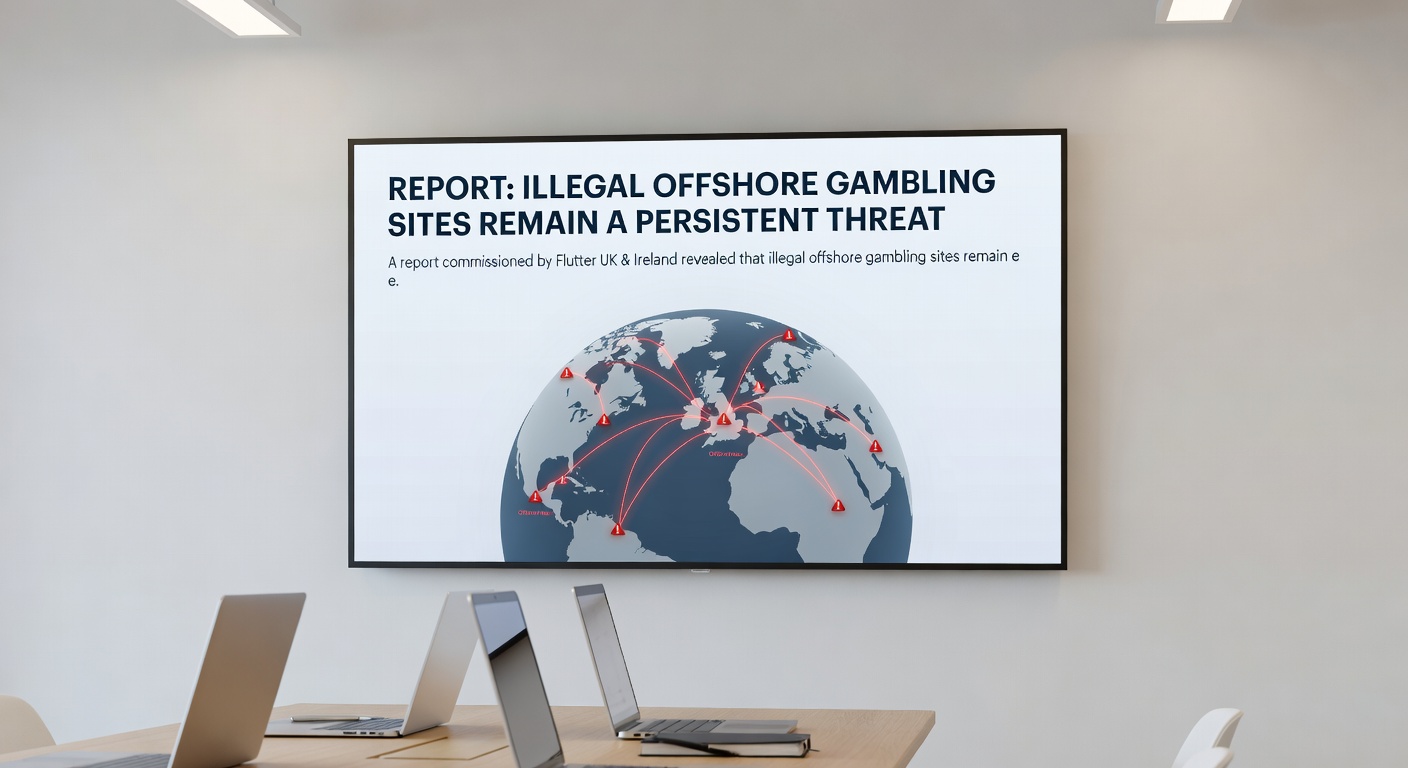
Observers note that unlicensed sites have grown steadily, and projections show they could soon control most sports sponsorship spending if left unchecked. Entain therefore wants the Independent Football Regulator to close any loophole that might allow clubs to accept such income without breaching future licensing rules. The move highlights the tension between regulated operators and the expanding illegal sector, which research shows involves 1.5 million Britons staking £4.3 billion annually.
The Gambling Act 2005 makes it a criminal offence for unlicensed operators to take bets from UK residents, yet sponsorship income from these firms still flows into some clubs. Entain argues that treating this revenue as proceeds linked to serious criminal conduct would give the regulator a practical tool to enforce compliance once licensing begins.
Details of the Submission to the IFR
In its formal response to the licensing consultation, Entain asked the Independent Football Regulator to issue an explicit confirmation that clubs cannot accept sponsorship money from operators outside the licensed regime. The company pointed out that any such funds would fall under the definition of proceeds connected to serious criminal conduct, thereby triggering automatic restrictions under the new framework. This step would align football sponsorship rules with existing criminal law and reduce the incentive for clubs to partner with illegal sites.
Entain also recommended that the Premier League introduce a voluntary ban on unlicensed gambling sponsorships before the 2026/27 season starts. Such an early agreement would give clubs time to find replacement partners and would demonstrate the league's willingness to cooperate with the regulator ahead of statutory licensing. The proposal arrives at a moment when the black market share stands at 9 percent and continues to rise, according to industry data.
Scale of the Unlicensed Market
Figures reveal that unlicensed operators already capture a meaningful slice of UK gambling activity, and analysts project further growth in sports sponsorship spend. The 9 percent market share translates into substantial revenue that currently escapes regulatory oversight and tax obligations. Entain's submission stresses that without clear guidance from the Independent Football Regulator, clubs may continue to accept these funds, thereby prolonging the competitive disadvantage faced by licensed operators that comply with advertising and sponsorship standards.
Those who have studied the sector note that the criminal status of unlicensed betting under the Gambling Act 2005 provides a ready legal hook for the regulator. By confirming that sponsorship income from such sources constitutes funds connected to serious criminal conduct, the Independent Football Regulator would effectively bar clubs from these arrangements once licensing takes effect. This approach avoids the need for entirely new legislation and leverages existing criminal definitions.
Timeline and Next Steps
The submission coincides with the regulator's ongoing consultation on licensing conditions, giving stakeholders an opportunity to shape the final rules. Entain's call for a voluntary Premier League ban ahead of the 2026/27 season reflects a desire to accelerate change before statutory powers fully activate. Clubs would face a practical deadline to review existing deals and seek compliant alternatives, reducing the risk of future licensing breaches.
What's significant is that the proposal links the regulatory framework directly to criminal law definitions, creating a straightforward test for acceptable sponsorship income. If the Independent Football Regulator adopts the suggested wording, clubs would know immediately whether a potential sponsor operates within the law. This clarity could streamline enforcement and limit disputes once the licensing regime begins.
Conclusion
Entain's intervention sets out a precise request for the Independent Football Regulator to classify sponsorship funds from unlicensed operators as proceeds tied to serious criminal conduct. The submission responds directly to the licensing consultation, references the 9 percent black market share, and includes a call for the Premier League to act voluntarily before the 2026/27 season. Observers will watch whether the regulator incorporates this language into final licensing conditions and whether the league moves ahead with an early ban on such sponsorships.